
Walk-In Shower vs. Tub: Which Fits Your Las Vegas Primary Bathroom?
On this page 11 sections
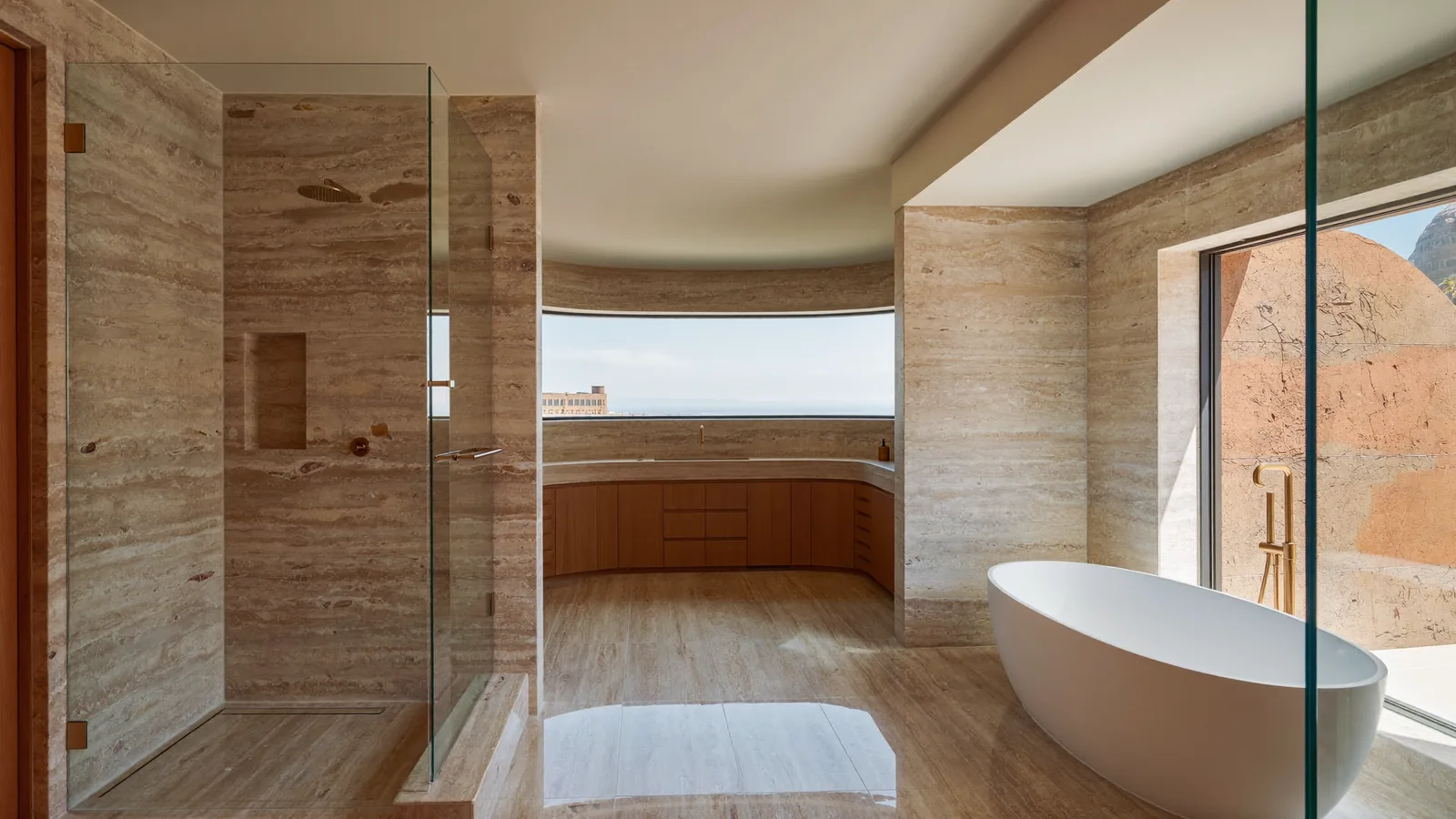
Choosing between a walk-in shower vs tub comes down to how you actually use the room, who will use it, and how much floor space you can give each one. If you are planning a bathroom remodel in Las Vegas, settle this question first, because it shapes the layout around it.
Quick Summary:
- Pick the bathing method your household really uses, not the one that looks best in photos.
- A walk-in shower can free up floor space and remove the step over a tub wall. A tub earns its place if anyone in the home bathes in it.
- You can keep both, replace one, or combine them. Each option changes the layout differently.
- Las Vegas hard water leaves chalky buildup on glass and fixtures, so plan how you will clean whichever you choose.
How do you choose between a walk-in shower and a tub?
Start with daily use, then check the space. Most people can answer the question by listing who uses the bathroom, how they bathe and what bothers them about the current setup. The space and the existing plumbing then tell you which options are realistic.
Our bathroom remodeling page suggests the same starting point: describe who uses the room and what is hard to live with before you pick a style. For a primary bathroom, that usually means two questions:
- Does anyone in your household take baths regularly, or has the tub become a place to store towels?
- Is the shower you use every day comfortable, or is it the part of the room you would change first?
If the honest answers are "rarely" and "no," a walk-in shower is worth a serious look. If someone uses the tub weekly, keep that in the plan.
How do they compare day to day?
A walk-in shower is built for quick, frequent use. A tub is built for soaking, and it is the better fit for bathing small children or pets. The table sums up the everyday differences. It does not rank them, because the better choice depends on your household.
| Question | Walk-in shower | Tub |
|---|---|---|
| Entering and exiting | Often a lower or no step, depending on the design | Step or lift over the tub wall |
| Space | Can use space the tub wall would take | A full-length footprint, often along one wall |
| Soaking and bathing others | Not designed for it | The reason to keep one |
| Cleaning | Glass, grout and a floor drain area to maintain | A smooth basin, with a shower curtain or screen if it doubles as the shower |
Treat the first row cautiously. A shower with no raised edge changes how the floor, drain and waterproofing are built, so it needs an assessment of your actual bathroom. Do not assume your existing floor can accommodate it.
What does a walk-in shower change in the bathroom?
It changes the floor, the glass or curtain, and often the space around it. When a tub comes out, the shower can grow into the freed area, or you can use the space for storage or a larger vanity. That is a design choice, not an automatic result.
Here are the things that usually change:
- The wet-area floor. A walk-in shower needs a floor built to carry water to the drain. How that is done depends on your home.
- The enclosure. Glass, a partial screen or a curtain each has a different look and cleaning routine.
- Plumbing locations. Keeping the drain and valve where they are is simpler than moving them. Moving plumbing is a larger change.
- Lighting and ventilation. A bigger open shower area makes it worth reviewing both.
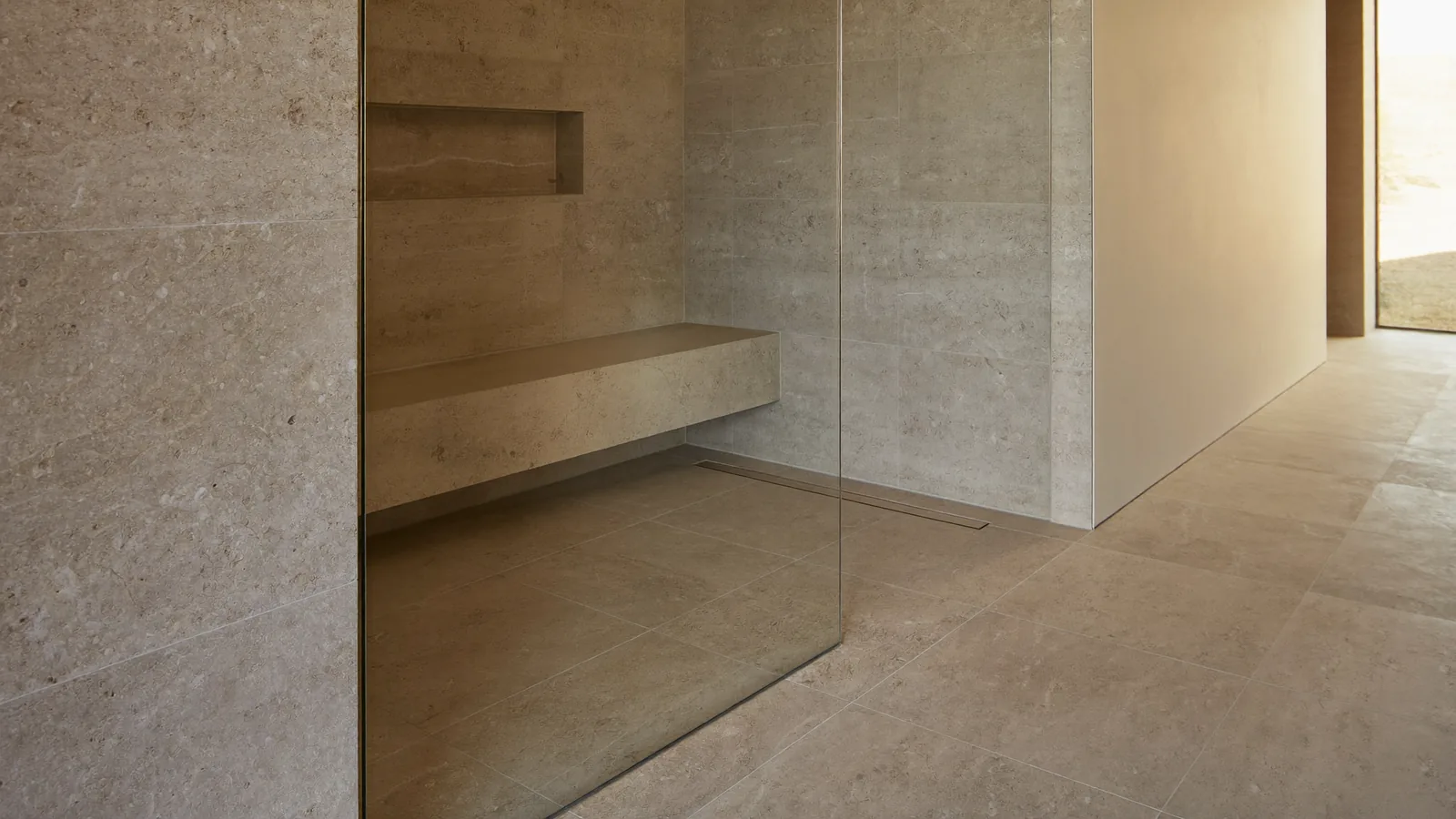
Our service page asks you to bring questions about ventilation and wet-area construction into the conversation early, rather than treating them as details hidden behind the tile. That matters most here.
When does keeping a tub still make sense?
Keep a tub if someone in the home uses it, or if it is the only one in the house. A tub that goes unused takes up space. A tub that is used every week is a feature you may regret removing.
Consider keeping or adding one when:
- Someone in the household bathes small children or pets.
- You or a family member enjoys soaking and would use it.
- It is the only tub in the home and you want one available.
- The room layout makes a larger shower impractical.
If resale matters to you, ask a local real estate professional how buyers in your neighborhood respond to the choice. We cannot give you a rule, and a general rule would not tell you much about your street.
A common middle path is to make the primary bathroom a walk-in shower and keep a tub in another bathroom. Another is to keep the tub-and-shower combination you have and renew its finishes. For ideas on how larger suites are planned, see our guides to luxury bathroom remodeling in Las Vegas and the Las Vegas luxury master suite renovation.
Should you plan for how your needs may change?
Yes, if you expect to stay in the home for years. The National Institute on Aging's room-by-room home safety guide recommends mounting grab bars near toilets and on both the inside and outside of your tub and shower, and placing nonskid mats, strips or carpet on all surfaces that may get wet. It also suggests leaving a light on at night or using an automatic night light.
You do not need to remodel for a need you do not have. But it is worth telling your designer if you want the bathroom to stay comfortable as your needs change. Our bathroom services page invites you to explain how you use the room and any access needs you want evaluated. Then you can ask what backing in the walls, floor texture and shower layout would support later additions, and whether your existing room can accommodate them.
How does Las Vegas hard water affect the choice?
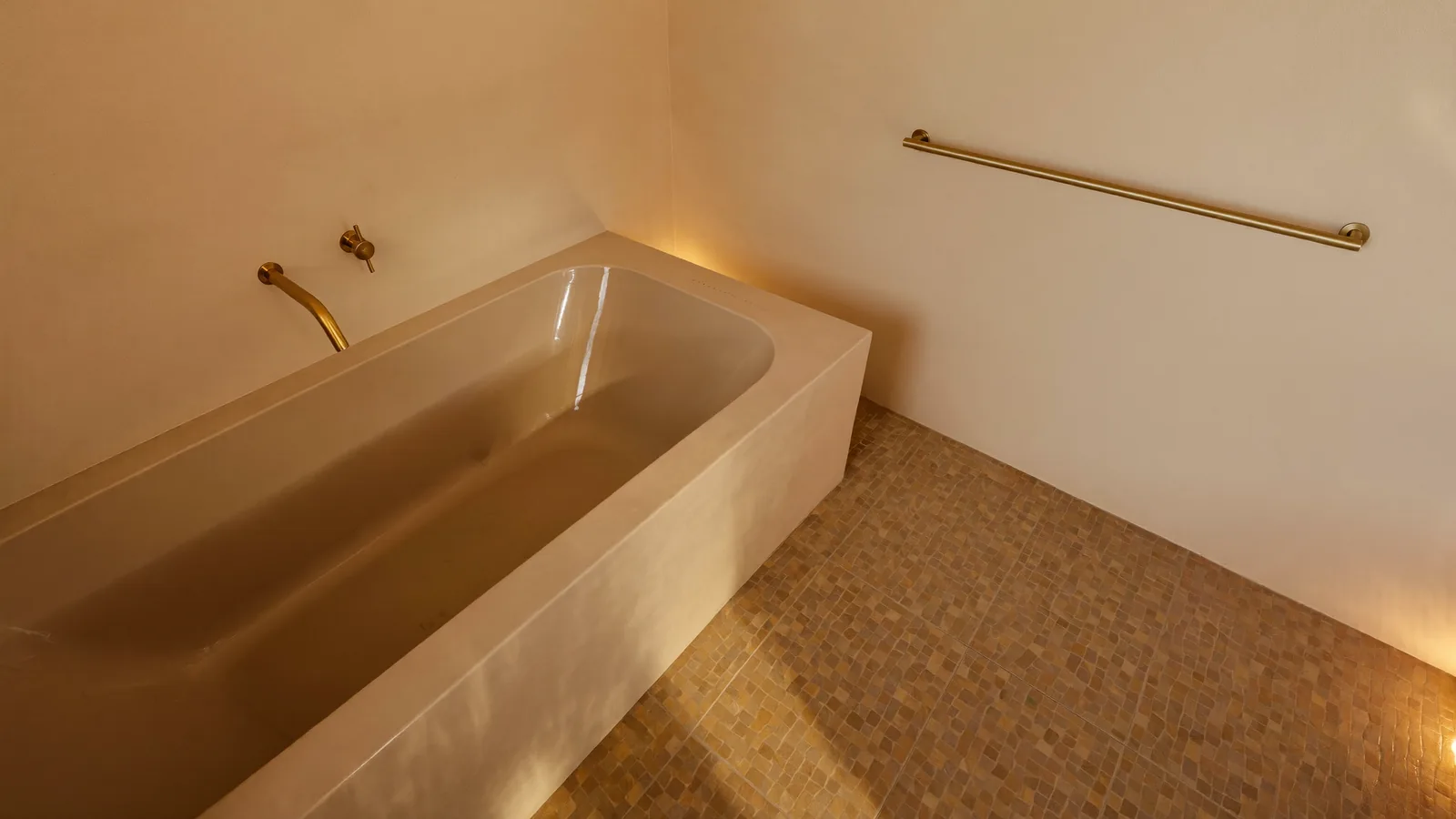
Hard water makes surfaces harder to keep looking new, whichever you choose. The Southern Nevada Water Authority says Las Vegas Valley water is hard because of dissolved calcium and magnesium. It lists the hardness as 280 parts per million, or 16 grains per gallon, which it categorizes as "very hard." It states that hard water can leave a chalky buildup on fixtures, and that these effects are aesthetic and do not affect health. It adds that wiping surfaces dry helps prevent deposits on fixtures and countertops.
Here is what that means for your choice:
- Glass and fixtures show spotting and buildup if they are not wiped down. Decide whether you will keep up with that, or choose an enclosure style that is easier to wipe.
- Tubs and shower floors both collect mineral buildup. Ask what cleaning products the manufacturer recommends for each surface.
- Showerheads are a separate decision. The EPA says showering accounts for nearly 17 percent of residential indoor water use, and that WaterSense labeled showerheads use no more than 2.0 gallons per minute, compared with 2.5 for standard ones.
Ask your designer to compare manufacturer care instructions for the surfaces you are considering, so you know what the upkeep will be.
What should you ask before you decide?
Ask what each option changes, what it needs, and who handles the permit. Settling these early helps you compare proposals fairly.
- Can the shower or tub stay where it is, or does the plumbing need to move?
- What does the floor need to look like for the shower design I want?
- How will the room be ventilated, and does the new layout change that?
- What are the manufacturer care requirements for the surfaces proposed?
- If I keep a tub, which size and position fit the room?
- Which permits apply to the work at my address, and who applies for them?
On permits, the City of Las Vegas homeowner guide lists altering piping inside a wall, ceiling or beneath a floor, and remodeling when existing plumbing is relocated, among the work that needs a permit. That guide is an older document and not a full list, so confirm the requirements for your address with the building department. Our guide to remodeling permits in Las Vegas explains how to prepare those questions.
Not sure which way to go? Get A Free Estimate to talk through your bathroom and the options for your space.
Frequently Asked Questions
Is a walk-in shower better than a tub?
Neither is better for everyone. A walk-in shower suits people who shower daily and want an easier entry and simpler layout. A tub suits people who soak or bathe children or pets. Match the choice to how your household uses the room.
Can I have both in a primary bathroom?
Often, yes, if the room is large enough. Many homeowners keep a separate shower and a tub. If the room is smaller, you may choose one for the primary bathroom and keep the other in a second bathroom. A designer can test the layouts with your measurements.
Does replacing a tub with a shower need a permit?
It depends on the work. The City of Las Vegas homeowner guide lists altering piping inside a wall, ceiling or beneath a floor as work that needs a permit. The same guide lists resurfacing shower walls among work that does not need one. Check with the building department that covers your address before work begins.
Is a walk-in shower harder to keep clean in Las Vegas?
Hard water leaves buildup on both showers and tubs. Glass and fixtures show it most. The Southern Nevada Water Authority says wiping surfaces dry helps prevent deposits. Ask about care instructions for the finishes you choose.
Plan Your Primary Bathroom With Clear Answers
Whichever way you lean, start with how you use the room today. Browse our remodeling portfolio and services to see the kinds of projects we take on, then tell us about yours. Get A Free Estimate to discuss a free consultation, or call 702-830-1444. Our preconstruction design process explains how planning before construction helps settle questions like these.
This article is general information, not engineering, plumbing, legal, accessibility or code advice. Whether your bathroom can accommodate a particular layout depends on your home and must be confirmed by qualified professionals and your building department. Permit rules vary by jurisdiction and can change. Confirm requirements with the office that covers your address before starting work.
Sources
- Southern Nevada Water Authority: Water quality FAQs (hard water)
- U.S. EPA WaterSense: Showerheads
- National Institute on Aging: Preventing falls at home, room by room
- City of Las Vegas Building Department: When Do I Need a Permit? A Homeowner's Guide (PDF)
About the author
DHCC Builder. Learn about the business through its remodeling portfolio.
Related reading
Related guides

Luxury Bathroom Remodel in Summerlin: What to Expect
Planning a luxury bathroom remodel in Summerlin? DHCC Construction walks you through every phase — design, permits, construction, and what to expect on timeline and investment.

The Private Wellness Suite: Redefining Luxury Bathroom Remodeling in Las Vegas
The modern concept of a master bathroom has evolved far beyond mere utility and routine. In the most exclusive neighborhoods of Southern Nevada, homeowners are increasingly seeking a sanctuary that rivals the world-class spas found on the Strip. This shift toward the private wellness suite repre- sents a significant trend in luxury home remodeling las…
Should I Remodel or Move? A Las Vegas Homeowner's Decision Guide
Should I remodel or move? The answer usually depends on whether the problem is your house or your location.