
Should I Remodel or Move? A Las Vegas Homeowner's Decision Guide
On this page 8 sections
Should I remodel or move? The answer usually depends on whether the problem is your house or your location. A remodel can change how a home looks, works and flows, but it cannot change where the home sits. If the trouble is layout or finishes, an interior remodel in Las Vegas may solve it, and a short checklist can help you tell the difference.
Quick Summary:
- Separate what you dislike about the house from what you dislike about the location. A remodel can address the first kind. It cannot address the second.
- Before you decide, get a written scope for the remodel and compare it with everything involved in a move, not just one number.
- Check permits, any HOA rules and the age of the home early, because they shape what is possible.
- If your home was built before 1978, ask about lead-safe work practices before any project that disturbs paint.
- Moving is the right answer for some households. A good plan lets you reach that conclusion with confidence instead of guessing.
Should I remodel or move? Start with what you want to change
Start by sorting your frustrations into two piles: things about the house and things about the location. The piles point in different directions.
Take a sheet of paper and list everything that makes you consider leaving. Then mark each item:
- House items are the kitchen, the bathrooms, the number of rooms, the storage, the flow between spaces and the condition of finishes and systems.
- Location items are the commute, the neighborhood, the size of the lot, the street, the school boundaries and the distance to family.
If most of your list is house items, remodeling deserves a serious look. If most of it is location items, a remodel will not change what bothers you. A mixed list is common, and it is the one where a careful comparison matters most.
What can a remodel change, and what can't it?
A remodel can change what is inside and attached to the home you own. It cannot change its location or lot boundaries. Knowing where that line falls keeps you from spending effort on the wrong solution.
A remodel can often help with:
- Kitchens and bathrooms that no longer suit how you live, which you can explore through our kitchen and bathroom remodeling pages.
- Interior layout, finishes, lighting and storage.
- Outdoor living areas and exteriors, such as those in our indoor-outdoor living guide.
- Extra space through an addition, where the property allows it.
A remodel cannot change:
- Where the home is, including its commute, neighbors and surroundings.
- The size and shape of the lot.
- Rules that apply to your property, such as local requirements or the HOA review process.
Whether a specific change is possible at your address, for example moving a wall or adding a room, needs an assessment of that home. Our home additions page makes the same point: feasibility is its own question, answered with the authority for your address and any HOA documents in hand.
What should you find out before you decide?
Gather facts about the remodel and the move on the same footing before you compare them. Comparing a vague idea of a remodel with a concrete listing is how people talk themselves into the wrong choice. Work through these steps.
- Describe the project in writing. List the rooms, the changes and the things you want to keep. A written scope turns "a lot of work" into something you can compare.
- Ask for a planning conversation first. Our preconstruction design process begins with a discovery consultation and a site assessment and feasibility review before design work starts. That kind of early assessment is useful even if you end up deciding to sell.
- Check permits and HOA rules. The City of Las Vegas asks you to confirm you are within its jurisdiction and to check whether your work needs a permit and a plan. Our guide to remodeling permits in Las Vegas walks through that. If your home is in an HOA community, read its documents as well.
- Consider the age of the home. The U.S. Environmental Protection Agency (EPA) notes that approximately three-quarters of U.S. homes built before 1978 still contain some lead-based paint, and that renovation work in those homes can create lead dust. EPA recommends that homeowners hire a lead-safe certified contractor for such projects. Ask any contractor you consider how they handle it.
- Ask a lender how financing works. Programs exist that let some homeowners finance repairs or improvements as part of a mortgage. For example, the U.S. Department of Housing and Urban Development (HUD) describes the FHA 203(k) program for home buyers and homeowners. Eligibility, limits and conditions vary, so talk to a lender about your own situation.
- Think about living through the work. Dust, noise and limited access to some rooms can come with a remodel, depending on the scope. Our guide to how long a luxury renovation can take explains what shapes the schedule.
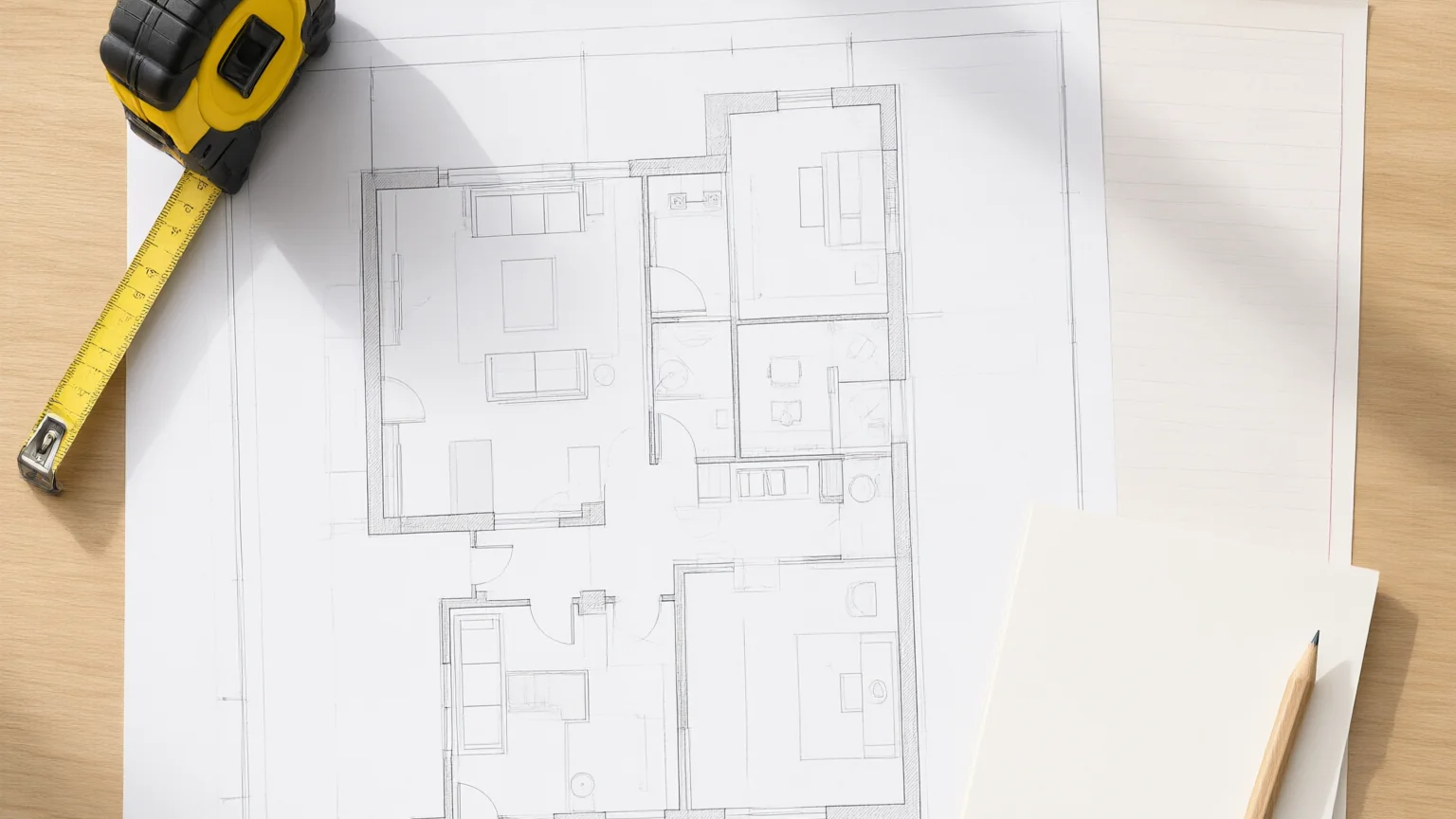
Notice what this list leaves out: a single price. We cannot tell you which option costs less without your plans, and any number offered before a scope exists is a guess. A written scope for the remodel and a full accounting of what a move involves are what make the comparison fair.
What if the layout is the problem?
If the home feels wrong because of its layout, find out what is structurally possible before you give up on it. An open floor plan, a larger kitchen or a new primary suite is sometimes achievable and sometimes not, and that depends on the walls, the roof and the systems in your particular house.
Two of our guides cover this ground. Removing a load-bearing wall in Las Vegas explains why a structural assessment and engineering come before any demolition. Our custom home addition guide covers the add-on route for households that need more room. Neither replaces an assessment of your own home, but they show what questions to bring to one.
If a design review shows that the layout you want is not workable at your address, that is useful information too. It may be the clearest reason to look elsewhere.
When does moving make more sense?
Moving tends to make more sense when the thing you want most is something a remodel cannot change. That might be the location, a larger lot, a different community or a layout that your property cannot support. It may also be right when your plans for the current home are modest and your reasons for leaving are not about the house.
A few questions can help you test the idea of moving honestly:
- Would the next home need work as well, so that you would be remodeling anyway?
- Are you leaving because of the house, or because of something a remodel could solve?
- Can you picture the household's routine in the new location as clearly as you can picture it in your current one?
If you answer these and still prefer to move, that is a sound decision. The goal of the exercise is not to talk you out of leaving. It is to make sure you leave, or stay, for the right reasons.
Frequently Asked Questions
Is it cheaper to remodel or move?
It depends on the scope of the remodel and everything a move involves, and neither can be judged without specifics. Ask for a written scope of the work you want, then compare it with the full set of steps involved in selling and buying. A comparison built on one figure on each side is easy to get wrong.
Do I need a permit to remodel?
It depends on the work and the authority for your address. The City of Las Vegas publishes a "Do I need a permit?" page, and some work does not need a plan. Related work such as plumbing, electrical or wall changes can matter, so check the full scope. See our permits guide for the questions to ask.
Does my home's age change the decision?
It can. EPA's lead renovation rule can apply to paid work that disturbs paint in homes built before 1978. Ask whether the rule and any exceptions apply, and verify the contractor's certification. Ask about this early so it is part of your plan rather than a surprise.
Can I finance a remodel?
Some homeowners finance renovation work through their mortgage or another loan. HUD describes the FHA 203(k) program as one such option for home buyers and homeowners. Programs have their own limits and conditions, so ask a lender which, if any, fits your situation.
Plan Before You Decide With DHCC
DHCC offers remodeling, additions and renovations in Las Vegas. If you are weighing a remodel against a move, a planning conversation can show what your home could and could not become. Get a free estimate or call 702-830-1444 to set up a free consultation. You can also browse recent projects and our services for ideas.
This article is general information, not financial, legal or real estate advice. Check requirements for your address with the relevant authority, and speak with a lender or real estate professional about your own situation.
Sources
- City of Las Vegas: Building & Offsite Permits (jurisdiction check and the "Do I need a permit?" page).
- U.S. EPA: Lead Renovation, Repair and Painting Program (homes built before 1978, the RRP rule and the recommendation to hire a lead-safe certified contractor).
- HUD: 203(k) Rehabilitation Mortgage Insurance Program Types (financing repairs or improvements through an FHA-insured mortgage).
Related posts: Custom home addition in Las Vegas · Whole-home renovation in Anthem and Green Valley · Inside the DHCC preconstruction design process
Related guides

Tile vs. Hardwood Flooring: Which Suits a Las Vegas Home?
The tile vs hardwood flooring question rarely has one right answer for a whole house.

Remove a Load-Bearing Wall in Las Vegas: What to Know Before You Open the Floor Plan
Before removing a load-bearing wall, plan for a structural assessment, project-specific engineering and the permit requirements for your Las Vegas address.
Remodeling Permits in Las Vegas: What Needs One and What Doesn’t
Most Las Vegas remodels that go beyond surface finishes need a permit. The City of Las Vegas homeowner guide says you'll generally need one if you add to the home, open up interior or exterior walls, work on electrical, plumbing or mechanical systems beyond routine maintenance, or turn an existing space into something…